June 1, 2026 · 9 min read
7 Warning Signs Your Septic Tank Needs Service (And What Each One Means)
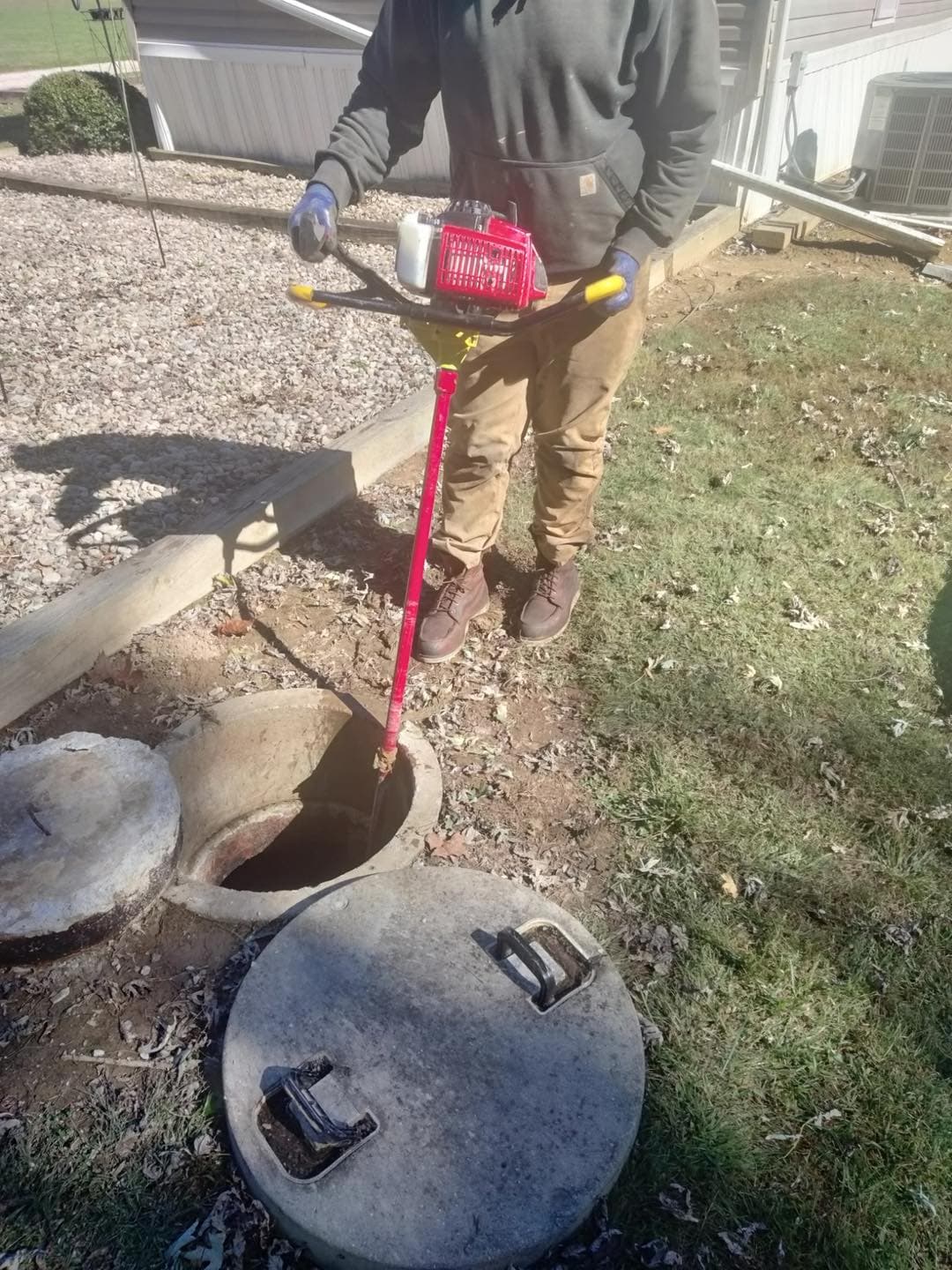
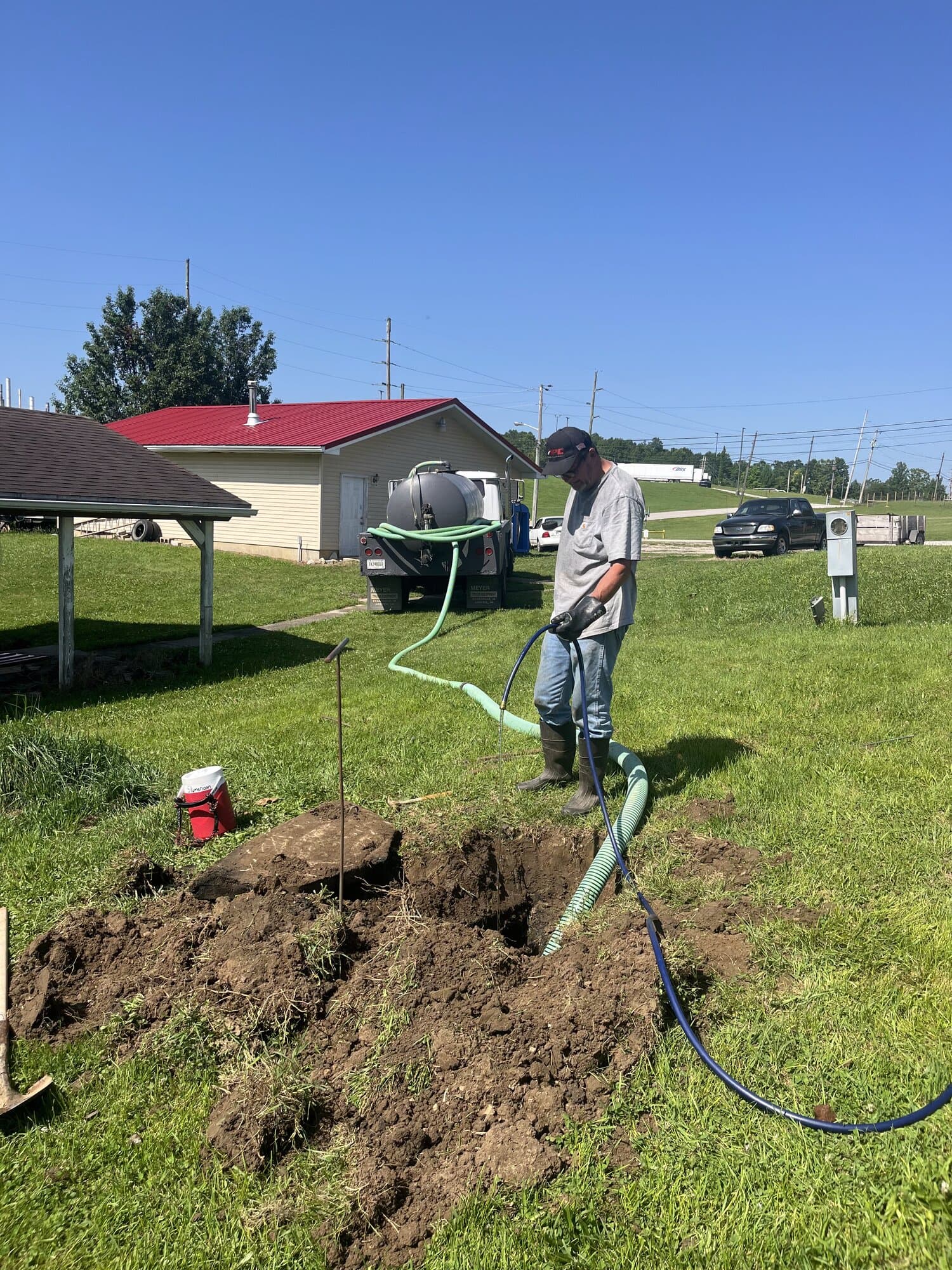
Septic systems are usually polite. They give you a series of warnings before anything truly fails, and the homeowners who catch those early signals turn what could have been a multi-thousand-dollar emergency into a routine pump-out. The homeowners who miss them end up cleaning up a much bigger, messier, costlier problem.
The trick is knowing what to look and listen for. In this guide we will walk through the seven most common warning signs, explain what is actually happening underground when you notice each one, and tell you which ones mean "schedule soon" versus "call right now." None of these signs get better on their own.
1 & 2: Slow drains and gurgling pipes
When sinks, tubs, and toilets all over the house start draining slowly, your first instinct might be a clog — but a single slow drain is a local clog, while several slow drains at once usually point back to the septic system itself. The tank may be full, or the line out to the drain field may be struggling.
Gurgling is the companion sign. If you hear bubbling or glugging from drains when water goes down elsewhere in the house, air is being forced back through the system because waste is not moving freely. Together, slow drains and gurgling are the most common early warning that a tank is approaching full.
3 & 4: Odors and soggy spots in the yard
A healthy septic system is invisible to your nose. A persistent sewage smell — near drains indoors, or out in the yard over the tank or drain field — means gas or effluent is escaping where it should not. This is your system telling you something is backing up or venting improperly.
Out in the yard, watch for soggy or spongy ground over the tank or field, and for a patch of grass that is suddenly lush and green even in dry weather. That greener grass sounds like good news, but over a drain field it usually means effluent is surfacing instead of soaking in — the field is saturated or failing. Standing water over the system after dry spells is a clear red flag.
5, 6 & 7: Buildup, backups, and the calendar
Sign five is heavy interior buildup you can sometimes see or smell at the lowest fixtures — a basement floor drain or a ground-floor toilet that is sluggish and odorous. Sign six is the most urgent of all: actual sewage backing up into the home, almost always at the lowest drains first. If you see this, stop using water and call immediately.
Sign seven is the one homeowners forget: the calendar. If you cannot remember the last time your tank was pumped, that uncertainty is itself a warning sign — especially paired with any of the symptoms above. The chart below ranks these signs by urgency so you know what can wait for a scheduled visit and what cannot.
Higher bars mean more urgent. Backups and yard flooding warrant an immediate call; slow drains and an unknown service date mean schedule soon.
Relative urgency
When buildup is the culprit: crud busting
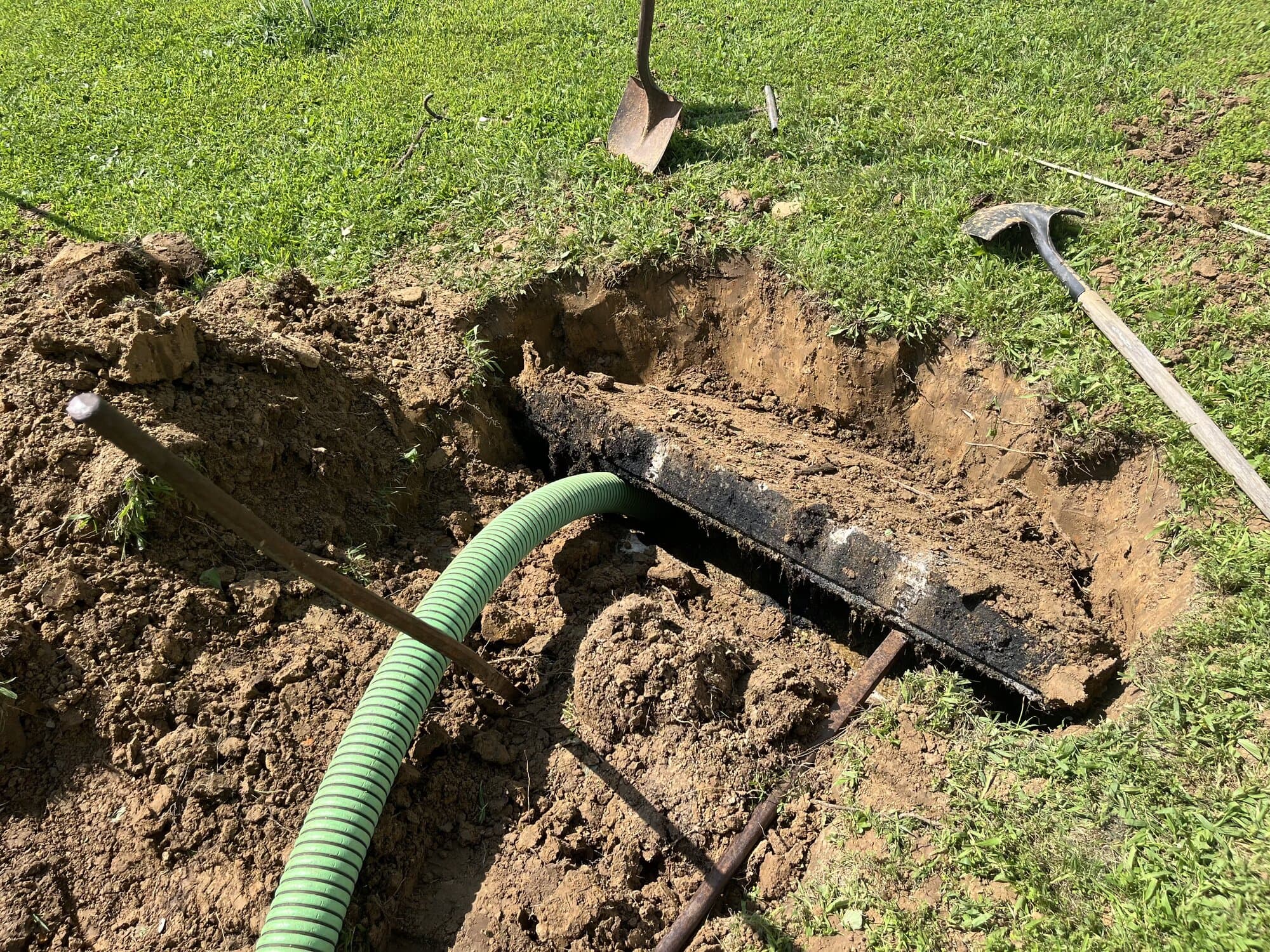
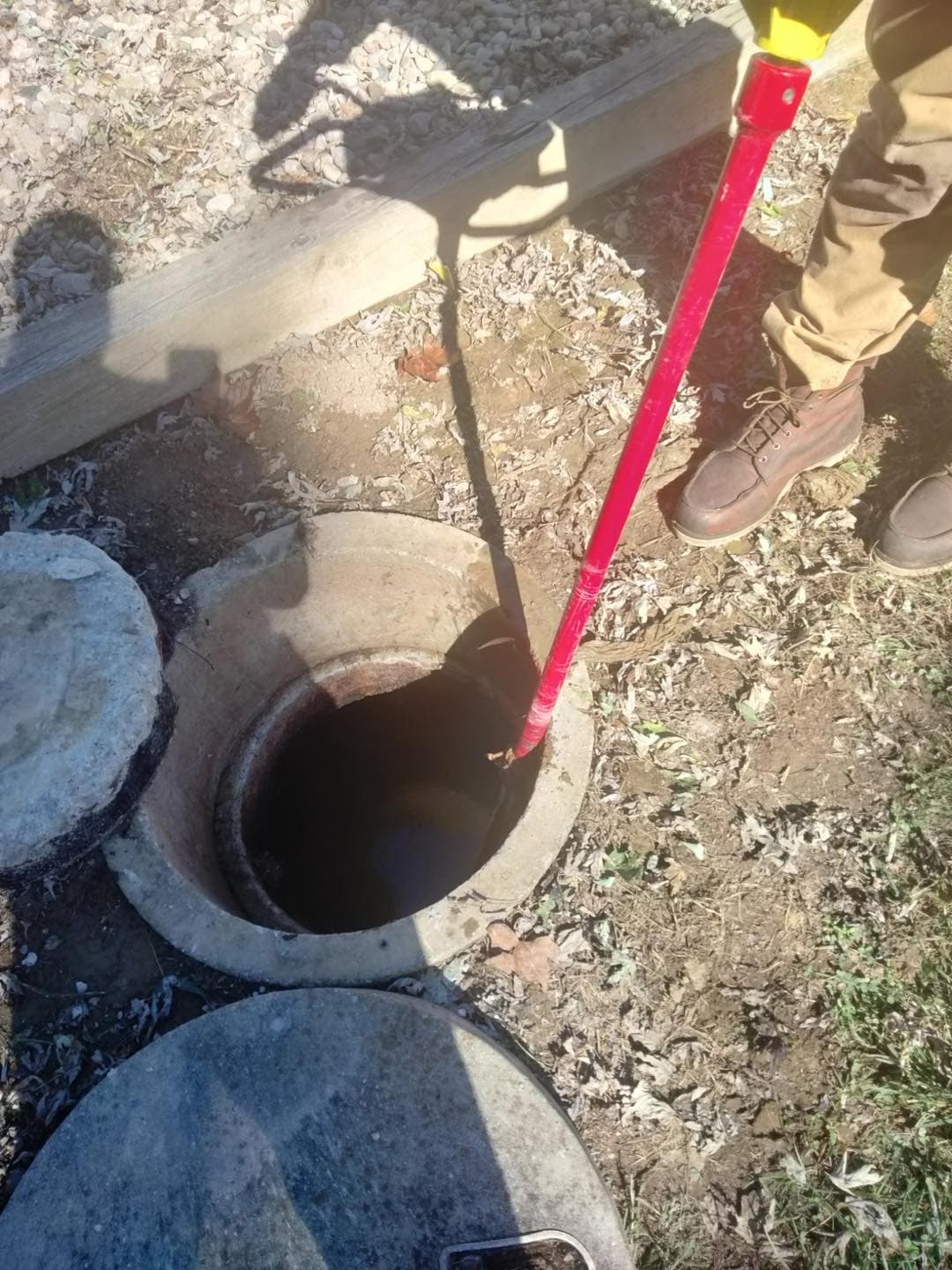
Some of these warning signs — especially slow drains and sluggish performance on a tank that has gone many years without service — come from heavy, compacted buildup that a basic pump-out alone cannot fully clear. That is where crud busting comes in. We break up and remove the hardened sludge and scum layers that ordinary pumping leaves behind, restoring the tank's working capacity.
The photo here shows a crud-busting job up close. If your tank has been neglected for a long stretch, this is often the difference between a tank that keeps causing problems and one that is genuinely back to full health.
What to do when you spot a sign
For the lower-urgency signs — slow drains, mild odors, an unknown service date — the right move is to schedule a pump-out and inspection soon, before the problem escalates. For the high-urgency signs — sewage backing up indoors, standing effluent in the yard — call right away and stop running water until the system can be serviced.
We offer extended-hour and emergency service across our coverage area for exactly these situations. When you are unsure which category you are in, err toward calling early. It is always cheaper and less stressful to act on a warning sign than to clean up after a full failure.
Frequently Asked Questions
What are the first signs a septic tank is full?
The earliest signs are usually slow drains throughout the house and gurgling pipes, often followed by sewage odors near drains or in the yard. Soggy ground over the drain field and backups are more advanced warnings.
Is a sewage smell in the yard an emergency?
It is a strong signal that your system needs service soon. If it is paired with backups into the home or standing effluent over the drain field, treat it as urgent and call right away.
Can crud busting fix a slow, neglected tank?
Often, yes. When heavy compacted buildup is causing slow performance, crud busting breaks up and removes the hardened sludge and scum that ordinary pumping leaves behind, restoring the tank's capacity.
Ready to schedule service?